CNC Turning Services
Custom CNC turning for shafts, bushings and threaded metal components. We machine aluminum and steel parts to your drawings, from prototypes to small-batch production.
Get a Quote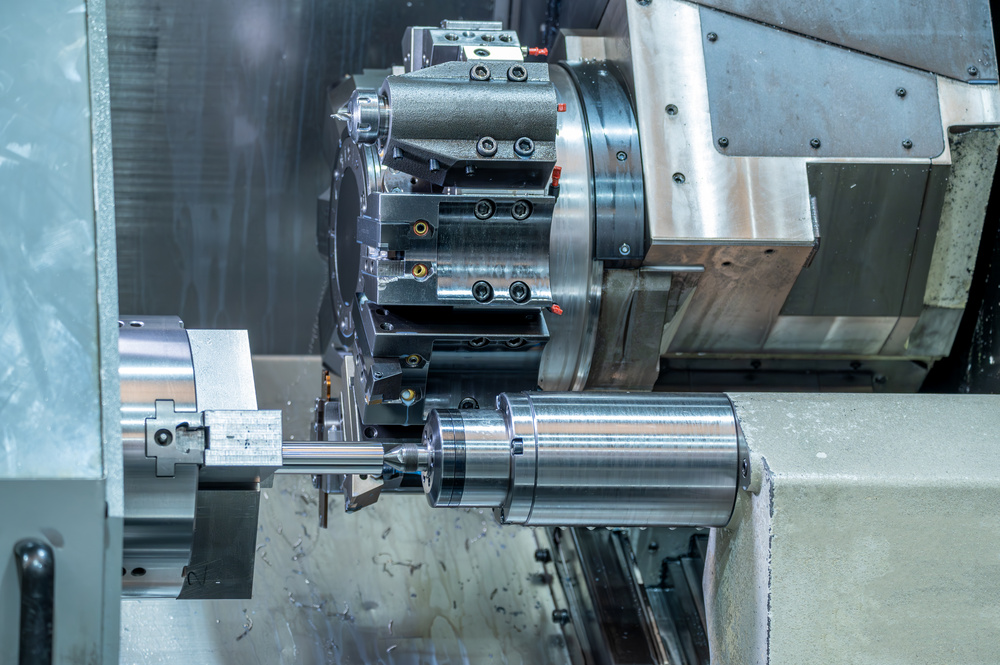
CNC Turning Capabilities
We machine custom rotational components to your drawings, including stepped shafts, bushings, sleeves and threaded parts. Send your material grade, quantity and critical dimensions so we can review the machining and inspection requirements.
Shafts & Pins
Custom shafts and pins with stepped diameters, shoulders and grooves. Specify bearing fits, mating dimensions and any additional holes or milled features on your drawing.
Bushings & Sleeves
Turned bushings, sleeves and spacers with specified internal and external diameters. Include bore sizes, lengths, fits and any geometric requirements for review.
Threaded Components
Custom components with internal or external threads. Specify the thread standard, pitch, tolerance class and engagement length so we can review your requirements.
Quality Control & Inspection
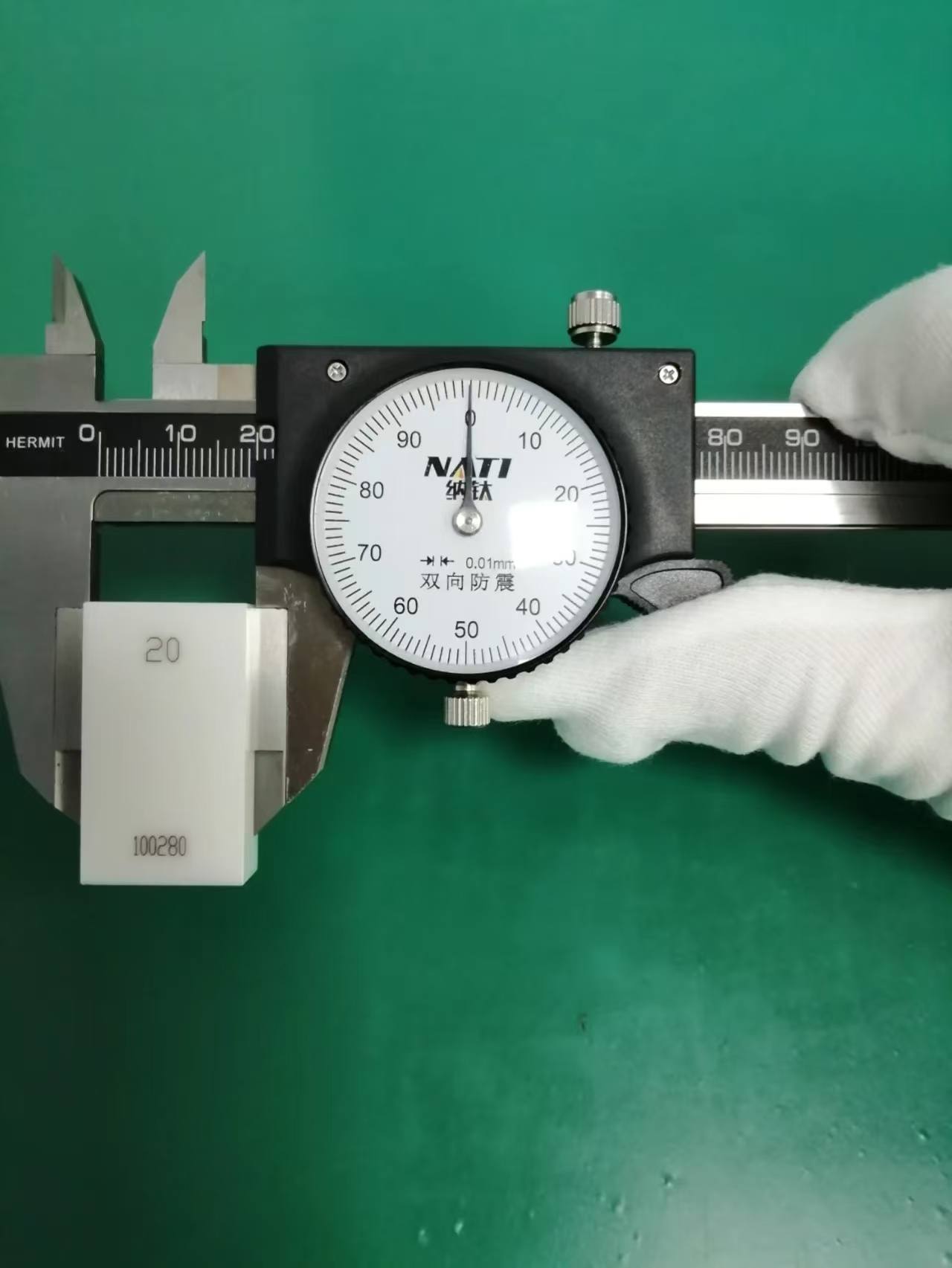
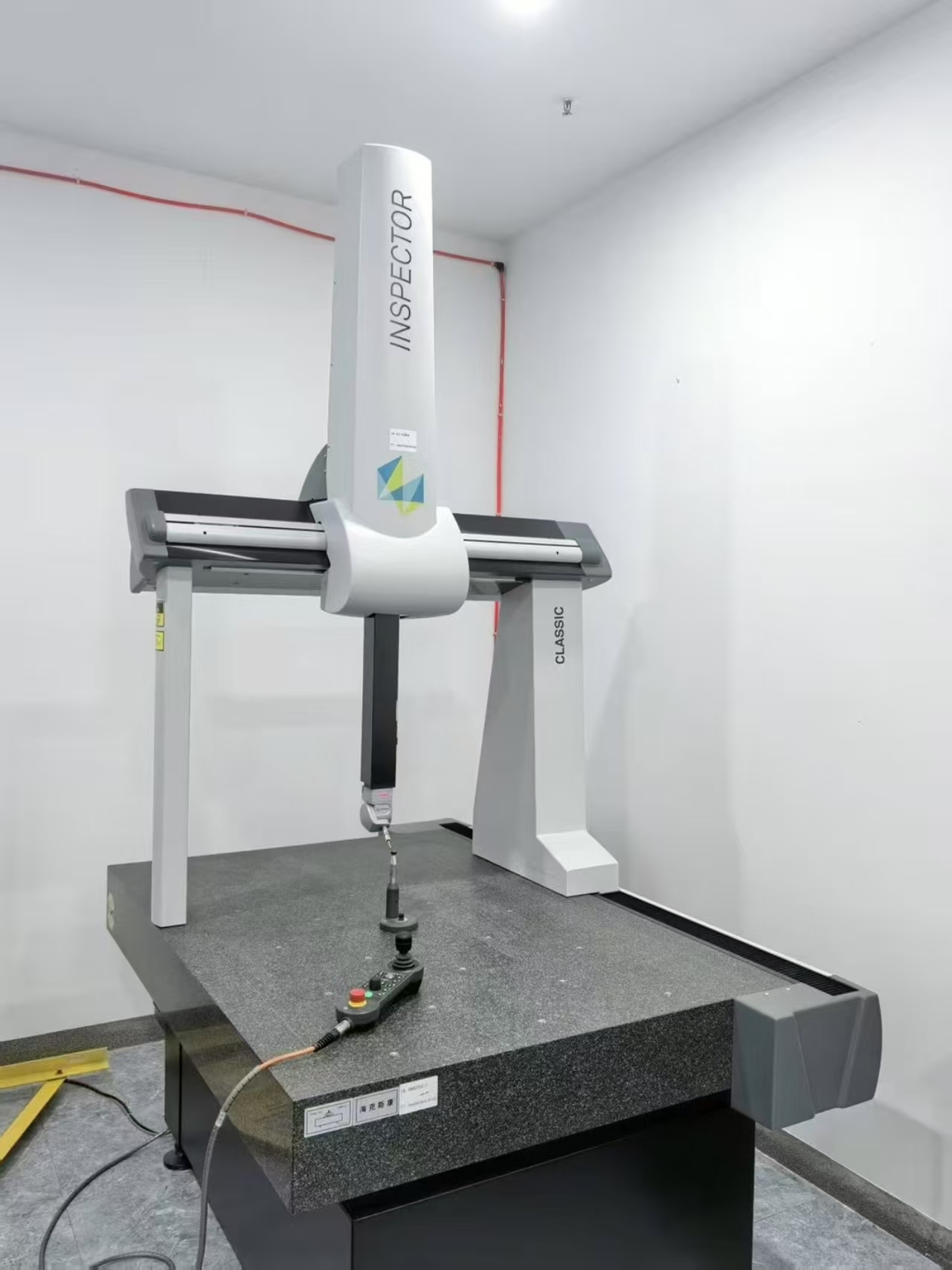
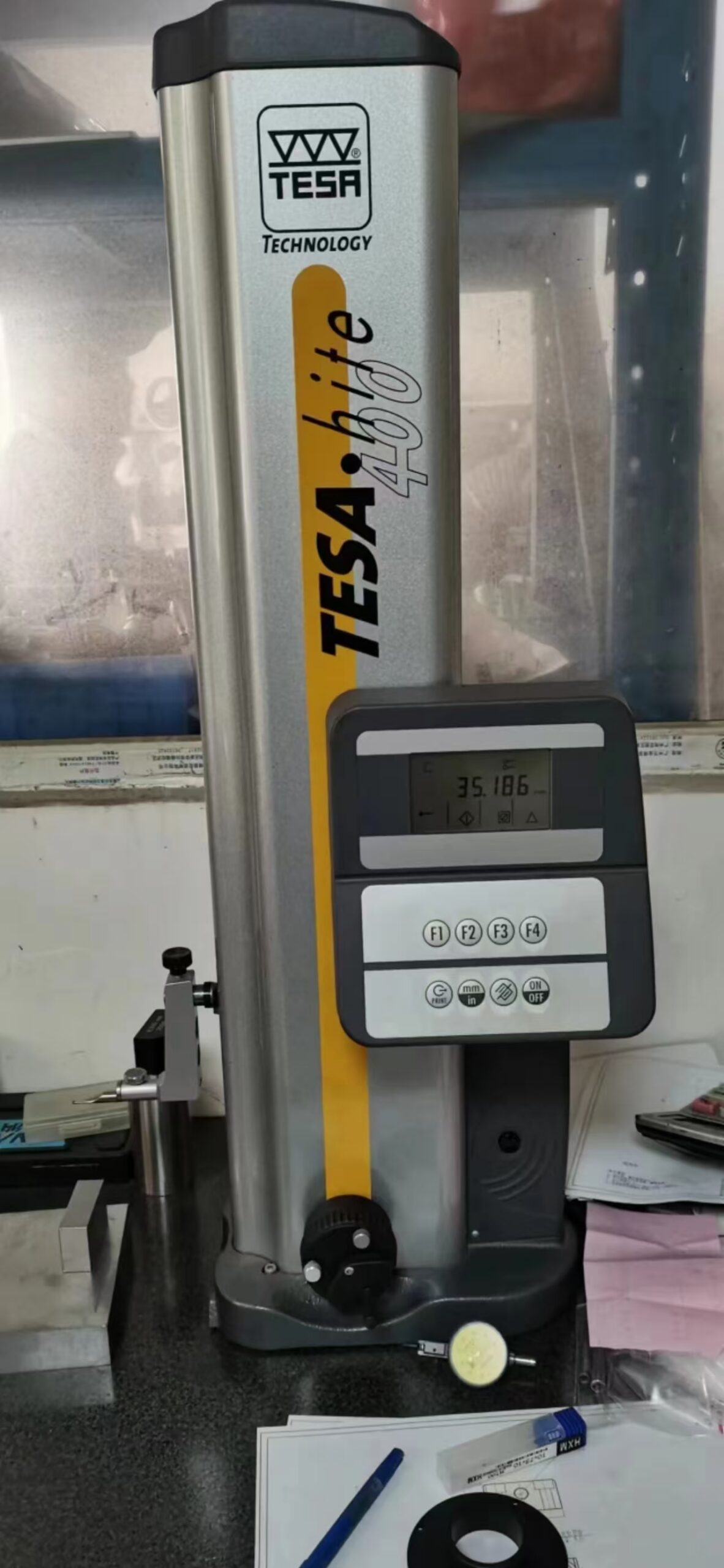
Inspection starts with the dimensions that matter to your assembly: shaft diameters, bores, shoulders and thread features. Share your drawing tolerances, datums and any reporting requirements so we can agree on suitable measurement methods before production.
Dial Caliper Check
CMM Inspection
Height Measurement
CNC Turning Part Examples
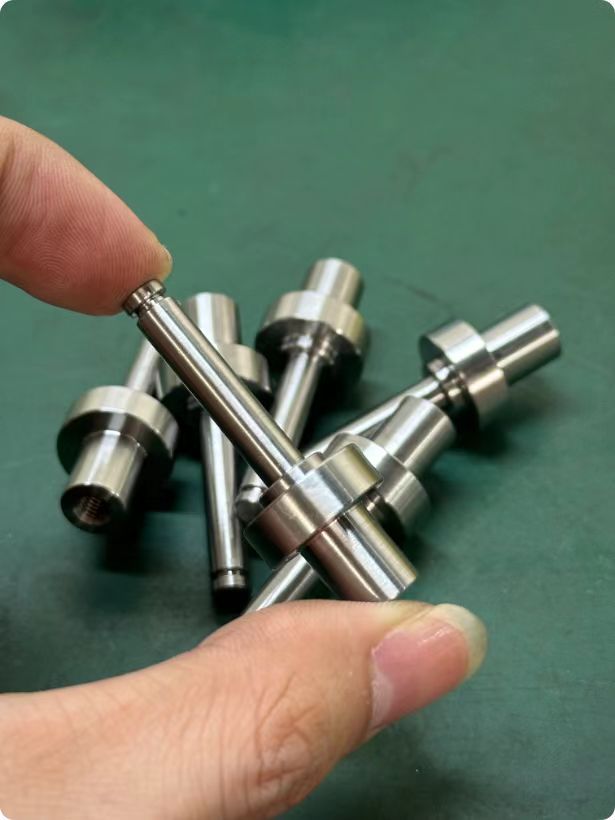
Stepped Shafts & Flanged Components
Stepped components with concentric outer diameters, shoulders and flanges. Some parts include axial openings. Typical machining: CNC turning, facing and boring. Reference material options: steel or stainless steel. Reference finish options: as-machined or polished. These are proposed options for a similar part, not verified specifications of the pictured components. We then confirm the final material, finish and critical fits from your drawing.
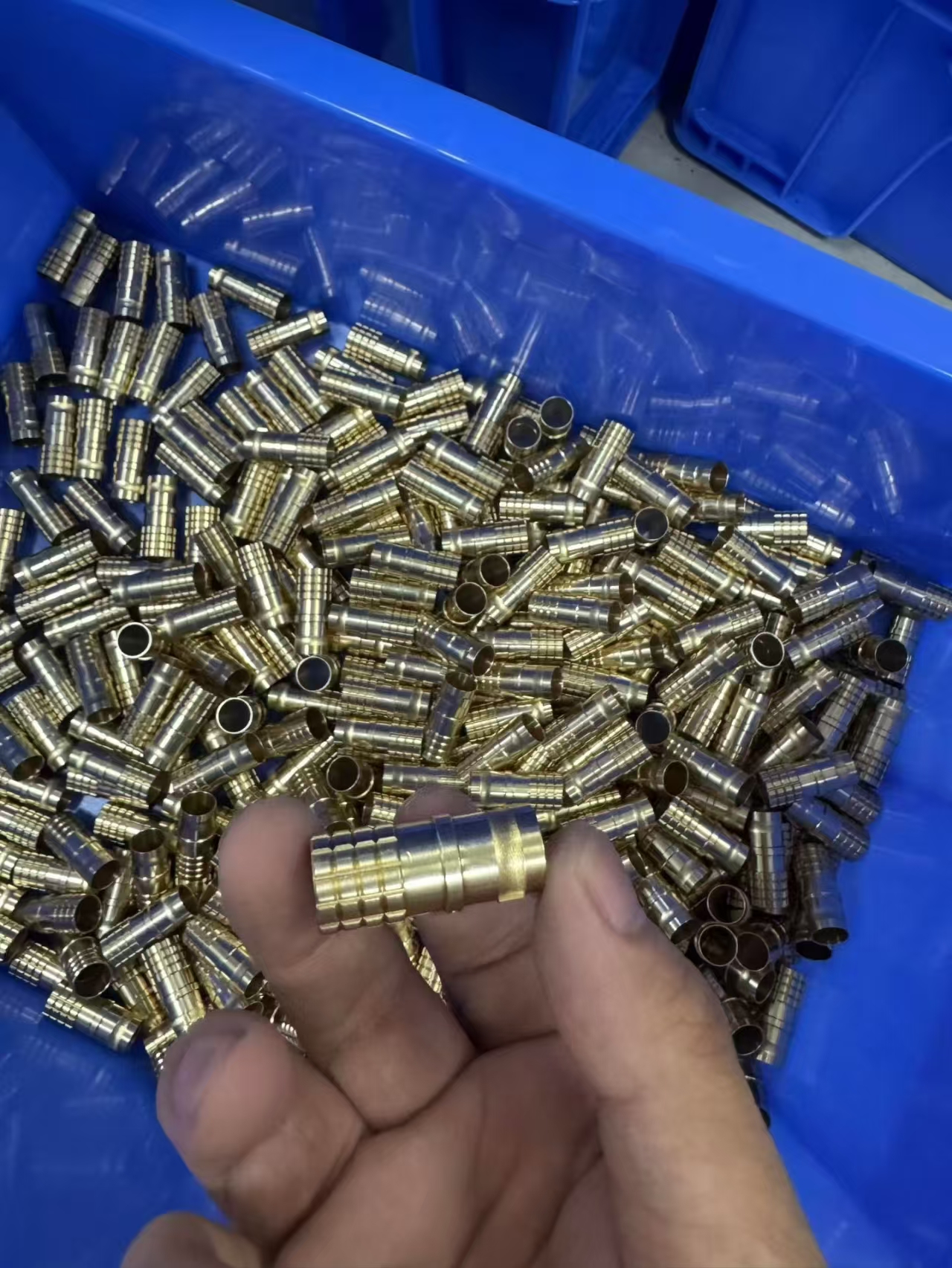
Grooved Hollow Sleeves
Hollow sleeves with axial bores, stepped outer profiles and repeated circumferential grooves. Typical machining: CNC turning, boring, grooving and parting. Reference material: brass. Reference finish: natural, as-machined brass. This is a proposed material and finish combination for a similar part; the photograph does not confirm the alloy or any coating. Next, we review bore tolerances, groove dimensions, material and finish from your drawing.
Materials & Surface Finishes
Material and finish selection affect strength, weight, corrosion resistance and the fit of your turned parts. The sections below cover common grades and the finish requirements we can review. Send the specified alloy, condition, service environment and finish standard with your drawing; availability and process suitability are confirmed in the quotation.
Aluminum
6061-T6: a common option for general-purpose housings, spacers and sleeves where low weight and corrosion resistance matter.
7075-T6: considered for highly loaded shafts, fittings and lightweight components requiring greater strength.
Specify the alloy and temper rather than “aluminum” alone. Anodizing can change final dimensions. Therefore, identify precision bores, threads and mating surfaces that need masking or a finishing allowance.
Steel & Stainless Steel
45 / C45-type medium-carbon steel: often considered for shafts, pins and sleeves; specify the exact material standard and any heat treatment.
Alloy steels: selected where strength, wear resistance or a defined hardness is required.
304 / 316 stainless steel: options for corrosion-resistant components; 316 may suit more demanding environments.
However, grades from different standards are not automatically interchangeable. Confirm the grade, condition, hardness and any material certification requirements before machining.
Surface Finishes
As-machined: a confirmed option; visible turning marks remain. Specify a surface roughness value where function requires it.
Black anodizing: a confirmed option for suitable aluminum parts. Identify color, coating requirements, masked areas and precision features that need dimensional allowance.
Polishing: a confirmed option subject to geometry, appearance and dimensional requirements.
If your drawing calls for black oxide, bead blasting, passivation or another treatment, include the exact specification. We will review it during quotation rather than assume availability.
From Drawing to Finished Part
A clear drawing and an agreed scope help keep machining, finishing and inspection aligned. First we review the drawing, then agree on the scope. Finally, we check the finished parts.
01 / Drawing Review & Quote
Send a dimensioned 2D drawing, a 3D model if available, material grade, quantity and required finish. Highlight critical fits and your target delivery date for a project-specific quote.
02 / Approval & Machining
Confirm the drawing revision, specifications, price and lead time before production. After approval, we plan the turning operations. We also review any extra milling, heat treatment or finishing needs.
03 / Inspection & Delivery
Finally, we check finished parts against the agreed requirements before packing. Confirm any inspection reports, identification, protective packaging and shipping arrangements during quotation.
CNC Turning FAQs
Key details to prepare when requesting a quote for custom turned parts.
What do you need for a quote?
Send your 2D drawing and, if available, a STEP model. Also include material grade, quantity, finish and critical tolerances. However, a 3D model alone may not define threads, fits or inspection requirements.
What tolerances can you achieve?
Achievable tolerances depend on part geometry, material, size and finishing. Mark critical dimensions, fits and geometric tolerances on your drawing; we confirm feasibility during review rather than applying one tolerance to every feature.
Can you make prototypes and small batches?
Yes. We review both prototype and small-batch turning projects. Pricing and lead time depend on the design, material availability, setup and finishing; we confirm these details with your quote.
Discuss Your CNC Turning Project
Send your drawings and tell us the material, quantity, finish and critical requirements. We will review your CNC turning project and prepare a quotation.
Get a QuoteCNC Turning Workshop
Watch a close-up view of the turning process, showing the rotating workpiece and cutting area. Use the player controls to pause, replay or view the footage full screen.